Science, Technology & Innovation
High-Tech Archaeology
Reach: It reaches the Americas and also Europe and/or West/Lusophone Africa.
The use of LiDAR, 3D modeling, and other advanced technologies in Brazilian archaeology is bringing previously overlooked ancient histories to light, particularly in the Amazon, while repositioning the country as a leader in cutting-edge research on territory, heritage, and the enduring presence of Indigenous peoples.
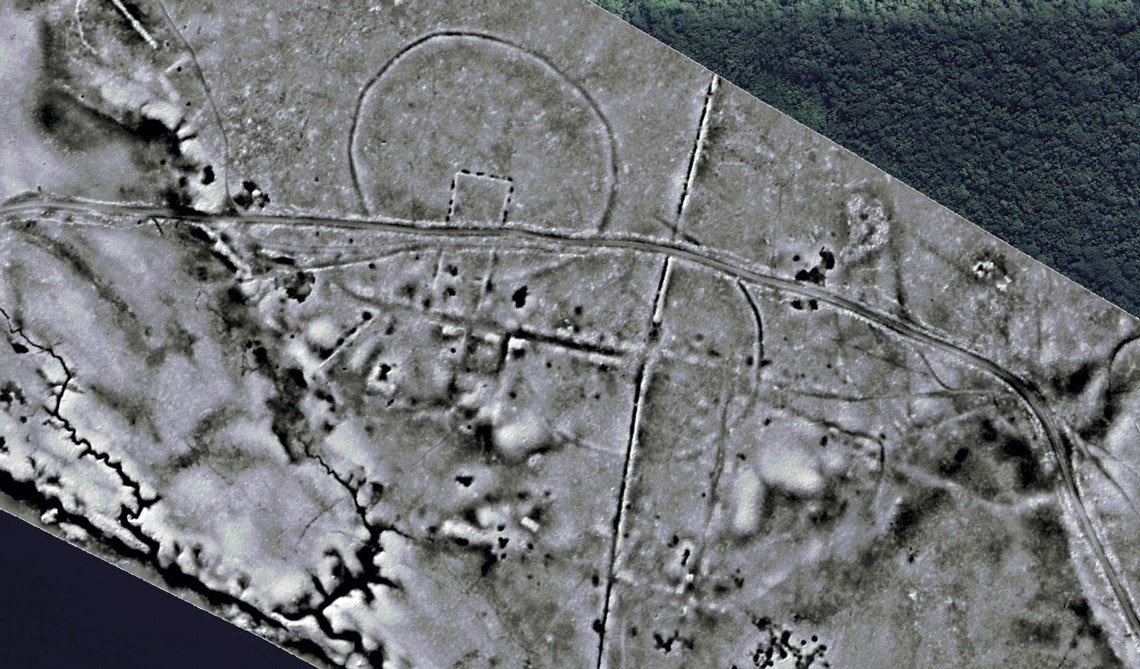
High-tech archaeology in Brazil encompasses research, laboratories, and initiatives that combine LiDAR, remote sensing, 3D modeling, geoprocessing, archaeometry, and digital platforms to reveal, analyze, and communicate traces of the past at new scales. One of its most visible examples today is Amazônia Revelada, built around LiDAR aerial surveys and fieldwork conducted in dialogue with Indigenous peoples and traditional communities to identify sites beneath the Amazon forest canopy. Alongside it are other lines of work, including surveys of geoglyphs and ancient settlements in the Amazon, a digital map of rock art sites in the state of São Paulo, and the expansion of archaeometry laboratories dedicated to cultural heritage.
More than refining research methods, this field is rewriting the region’s ancient history by challenging the idea of the forest as an empty space or one marginal to human experience. Instead, it reveals landscapes shaped by dense settlement, technical knowledge, and long-standing Indigenous continuity. With figures such as Eduardo Góes Neves, Cristiana Barreto, Marília Perazzo, and teams working across universities and research institutions, it positions Brazil as a producer of frontier knowledge on territory, memory, and heritage, while drawing global attention through news coverage, exhibitions, audiovisual materials, and other forms of public engagement with these discoveries.
Presence Indicators
- Recurring coverage in both Portuguese and English, with circulation in scientific, cultural, and environmental media outside Brazil.
- Inclusion in a public exhibition at MUSA and in other outreach materials, expanding the museum and educational reach of these discoveries.
- The ability to reposition the Amazon’s ancient history within international debate by revealing complex settlements beneath the forest.
- Strong visual and narrative appeal, supported by LiDAR imagery, maps, and reconstructions that circulate effectively across the press and digital audiovisual media.