Science, Technology & Innovation
Wolbachia Method
Reach: It also reaches macro-regions outside the transatlantic axis, with evidence in Asia, Oceania, Arab regions and/or other African regions.
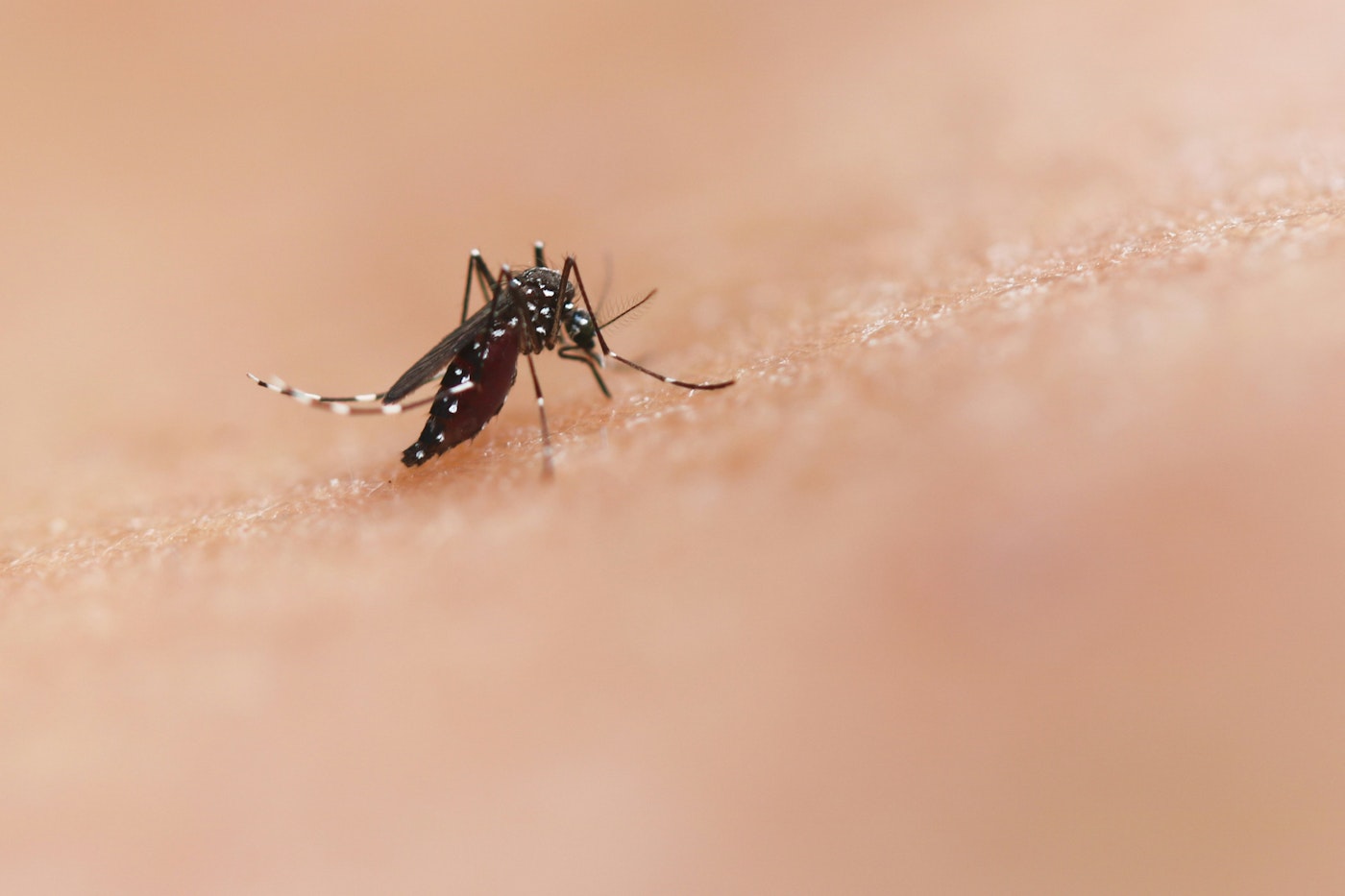
The use of Aedes aegypti mosquitoes carrying the Wolbachia bacterium reduces their ability to transmit dengue, Zika, and chikungunya. Led in Brazil by researcher Luciano Moreira, the initiative combines science, public health, and large-scale production, positioning the country as an international reference in the fight against mosquito-borne diseases.
Developed from international research and implemented in Brazil with a decisive role played by Luciano Moreira, a researcher formerly affiliated with Fiocruz and later CEO of Wolbito do Brasil, the Wolbachia Method consists of releasing Aedes aegypti mosquitoes carrying the Wolbachia bacterium, which reduces their ability to transmit dengue, Zika, and chikungunya. In Brazil, the initiative began to scale in the 2010s, underwent trials and expansions in cities such as Rio de Janeiro, Niterói, and Campo Grande, and reached a new stage with the inauguration in Curitiba of the world’s largest biofactory for Wolbachia-carrying mosquitoes in 2025.
It represents a form of Brazilian international projection less associated with the country’s festive image and more with its ability to turn tropical science, institutional coordination, and public health response into an international reference. The initiative has gained visibility in publications such as Nature and TIME, which included Luciano Moreira in the 2026 TIME100 Health list and later in the 2026 TIME100 list.
Presence Indicators:
- Recent recognition through two highly visible global platforms, TIME100 Health and TIME100, expanding the symbolic reach of an initiative developed and scaled in Brazil.
- Coverage in international scientific and journalistic publications, including Nature and The Lancet Regional Health – Americas.
- Field results from Brazil have been used as public evidence of effectiveness, particularly significant reductions in dengue cases in monitored cities, although the impact varies according to how successfully Wolbachia becomes established in each location.
- Institutional and production expansion through biofactories and new implementation efforts supported by Fiocruz, Brazil’s Ministry of Health, and partner organizations.