Gastronomy & Culinary Culture
Churrasco & Rodízio
Reach: It also reaches macro-regions outside the transatlantic axis, with evidence in Asia, Oceania, Arab regions and/or other African regions.
A distinctly Brazilian way of turning food into a shared experience, combining celebration, hospitality, and tableside spectacle while projecting an image of the country associated with abundance, togetherness, and a warm, convivial culture that travels easily within Brazil and abroad.
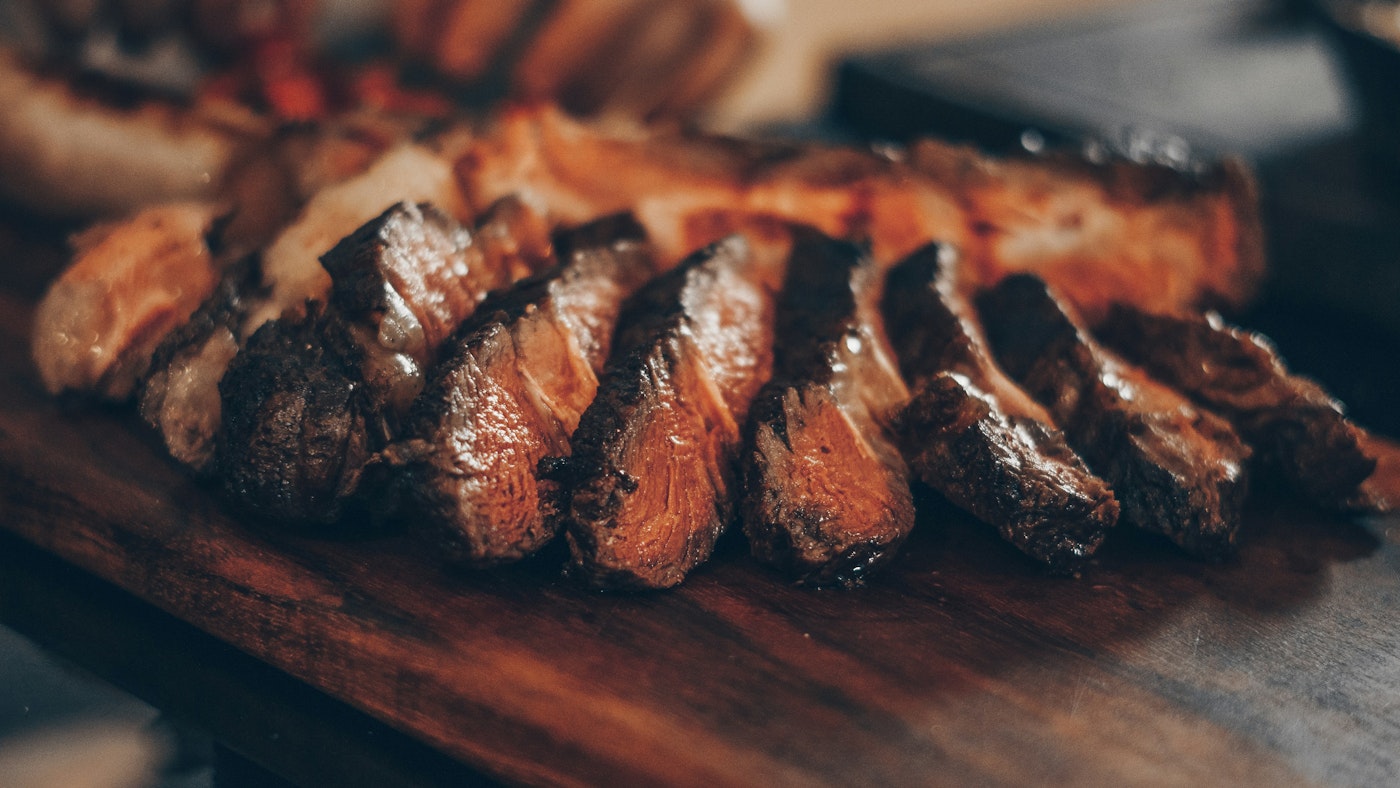
More than a method of cooking meat, Brazilian churrasco has become a ritual of social connection, hospitality, and celebration, taking on its most emblematic form in the South of the country, particularly through the gaucho tradition of fire, skewers, and shared service. Rodízio, meanwhile, became established as a service format in Brazilian churrascarias in the mid-1960s, with its origins frequently attributed to Jacupiranga, in the interior of São Paulo state. Together, churrasco and rodízio helped transform a regional practice into a culinary language readily associated with Brazil abroad. The combination of picanha, cuts served tableside, abundance, the performance of carving, and sociability has turned churrascarias into enduring showcases of Brazilian identity in cities across several continents, generating curiosity, tourism, cultural consumption, and an immediate association with an expansive, warm, and festive image of Brazil.
Presence Indicators:
- Brazilian churrascarias and rodízio restaurants maintain an established presence in markets including the United States, the United Kingdom, Japan, Mexico, and Hong Kong.
- Rodízio continues to be internationally recognized as a service format associated with Brazil, including in reference sources and restaurant guides.
- The imagery of Brazilian churrasco circulates through both its cuisine and the performative dining-room experience, with tableside carving serving as a distinctive feature.
- The model has shown lasting cultural and commercial appeal, with Brazilian restaurants and local reinterpretations expanding across different countries over several decades.