Cities, Places & Destinations
Barra Funda Cool
Reach: It reaches the Americas and also Europe and/or West/Lusophone Africa.
Território de memória operária, samba paulista, arquitetura icônica e cena criativa em expansão, a Barra Funda projeta uma imagem de São Paulo ligada à reinvenção urbana, à cultura independente e à ocupação contemporânea de espaços industriais. Seu reconhecimento em circuitos nacionais e internacionais reforça o Brasil como lugar de experimentação estética, mistura social e vitalidade metropolitana.
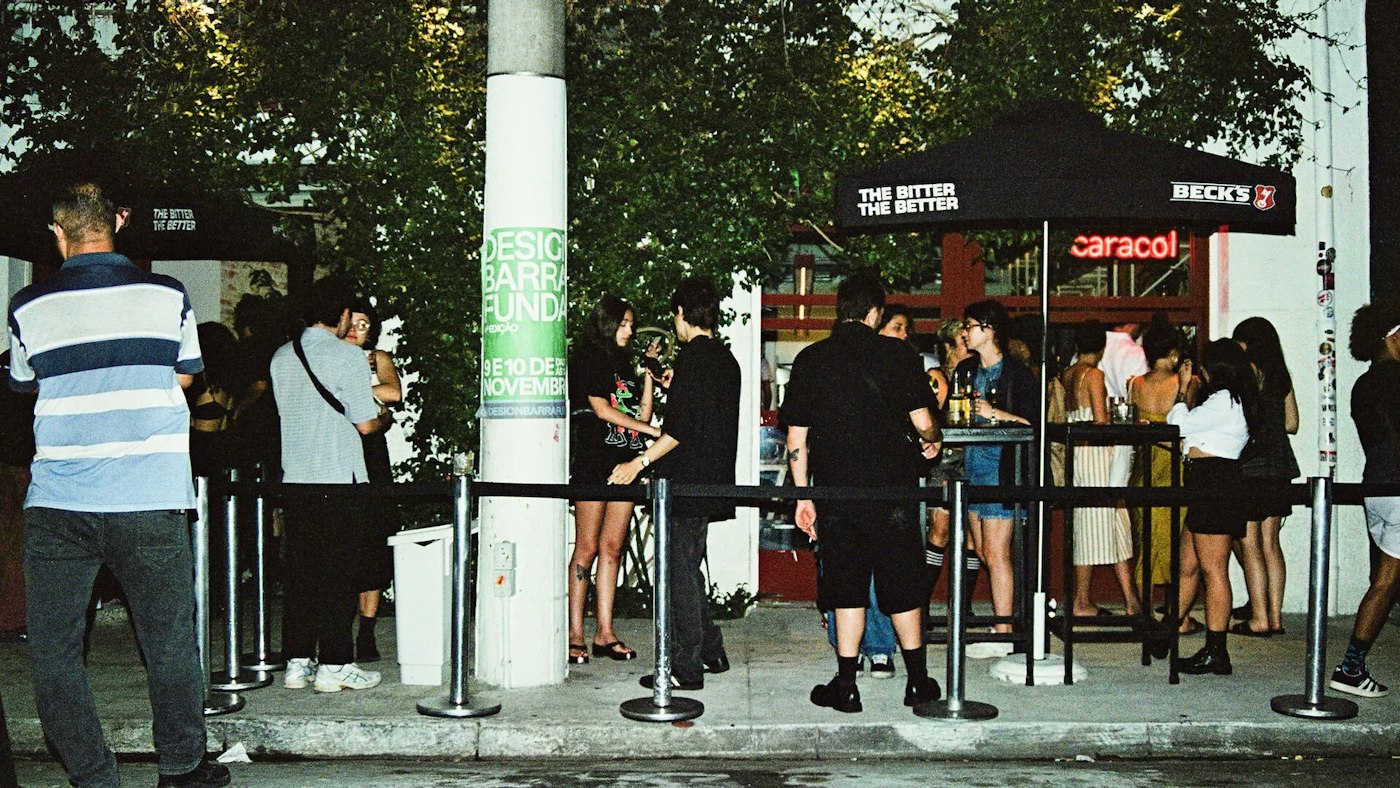
Barra Funda, in São Paulo, has been consolidating itself as one of the most interesting territories in contemporary Brazilian urban culture, combining working-class memory, railways, São Paulo samba, brutalist architecture, galleries, studios, bars, music venues, authorial gastronomy, and nightlife. The neighborhood carries important historical layers, from Largo da Banana and the Black presence in the formation of São Paulo samba to the Memorial da América Latina, conceived by Darcy Ribeiro and designed by Oscar Niemeyer, as well as its symbolic proximity to Sesc Pompeia, Lina Bo Bardi’s work that transformed a former factory into an international reference for conviviality, culture, and architecture.
In recent years, the area has begun circulating in guides, rankings, and reports as a synthesis of creative São Paulo: less polished than other cultural axes of the city, but full of friction, mixture, and experimental energy. Time Out’s selection of Barra Funda as the 3rd coolest neighborhood in the world in 2025 expanded this international reading, projecting an image of Brazil tied to urban reinvention, the cultural occupation of industrial spaces, and the aesthetic power of Latin American metropolises.
Presence Indicators:
- Recent international recognition in a global neighborhood ranking, with emphasis on its creative, industrial, and nightlife scene.
- Recurring coverage in the Brazilian press about bars, restaurants, galleries, studios, and design circuits in the area.
- Presence of large-scale cultural institutions, such as the Memorial da América Latina, alongside independent initiatives and smaller creative spaces.
- Growing association of the neighborhood with the idea of an alternative São Paulo: walkable in parts, experimental, and culturally hybrid.