Architecture, Design & Urbanism
Brasília
Reach: It reaches the Americas and also Europe and/or West/Lusophone Africa.
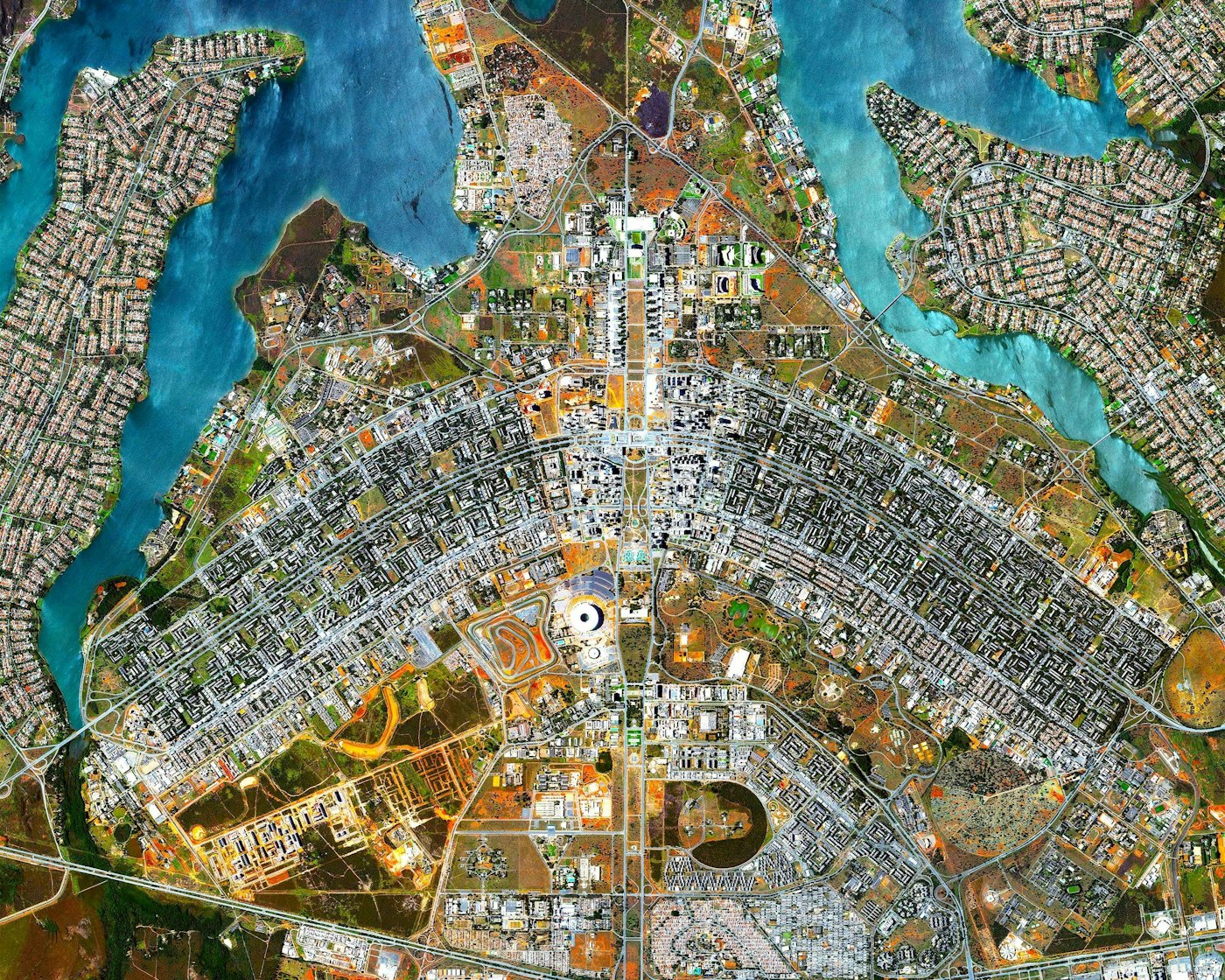
An icon of modernist architecture, Brasília projected an image of Brazil capable of transforming urban planning, formal boldness, and civic monumentality into a language recognized around the world.
Conceived by Lúcio Costa and materialized through Oscar Niemeyer’s emblematic buildings, Brasília has established itself since the 1950s as one of the world’s most recognizable expressions of modernist architecture. Inaugurated in 1960 as the country’s new capital, the city turned urban planning and civic monumentality into an international image of Brazil, combining symbolic scale, formal experimentation, and an institutional vocation in landmarks such as the National Congress, the Metropolitan Cathedral, and the Palácio da Alvorada.
This repertoire was expanded by the visual and landscape contributions of figures such as Athos Bulcão, Burle Marx, and Marianne Peretti, helping to make Brasília not only a political center, but also an exportable imaginary: an instantly identifiable landscape that is visited, photographed, studied, and continuously reinterpreted in books, exhibitions, tourist itineraries, and debates about cities, modernity, and the future.
Presence Indicators:
- Recognition as a UNESCO World Heritage Site, which is central to its enduring presence in international architecture and tourism circuits.
- Recurring presence in guides, itineraries, and official tourism promotion materials from Brazil and the Federal District.
- Ongoing circulation in global publications and platforms focused on architecture, design, and visual culture.
- Strong visual recognizability: its buildings and urban layout function as an immediate visual synthesis of modern Brazil.